
Dependable Siding Services for Central Illinois Homes
Siding does more than shape the appearance of your home. It helps shield the wall system beneath it from wind, rain, temperature swings, pests and everyday wear. When siding is cracked, loose, warped or installed incorrectly, moisture can reach the sheathing and framing long before the damage becomes visible indoors. That’s where one of the area’s top siding companies can help.
Central IL Construct provides professional siding installation and repair for homeowners throughout Central Illinois. We replace aging exterior materials, repair localized damage and install siding as part of additions and larger home transformations. Every project begins with an evaluation of the complete exterior assembly, not simply the panels you can see.
Backed by more than 20 years of construction experience, our team understands how siding connects with windows, doors, roofing, soffit, fascia and the water-resistant barrier beneath it. That broader building knowledge helps us identify the source of a problem and develop a lasting solution.
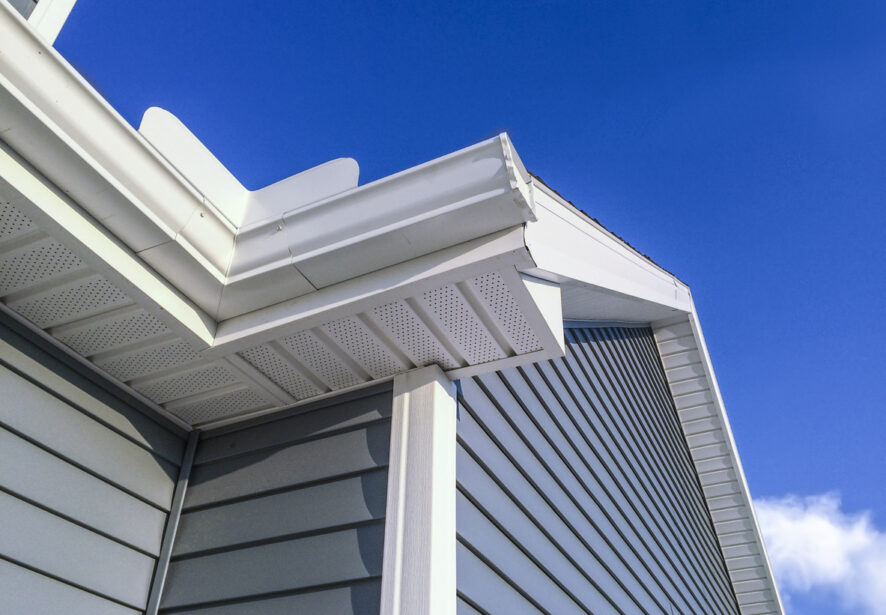
What Good Siding Installation Really Requires
Comparing siding companies should involve more than looking at colors, profiles, and estimates. The long-term performance of your exterior depends heavily on what happens behind the finished surface.
Siding is a home’s first line of defense, but it is not intended to be completely waterproof by itself. A properly constructed wall assembly must control the water that gets behind the cladding and direct it safely toward the exterior. The International Residential Code generally requires a water-resistant barrier over exterior wall sheathing, along with correctly integrated flashing.
That makes several installation details especially important:
- A continuous, properly lapped water-resistant barrier
- Flashing around windows, doors and wall penetrations
- Corrosion-resistant fasteners selected for the siding system
- Correct fastener placement and spacing
- Appropriate clearance from roofing, grade and hard surfaces
- Room for material expansion and contraction
- Clean transitions between siding, trim, soffit and fascia
These details are easy to cover with new siding, and costly to correct after the exterior is complete. Central Illinois Construct treats siding as part of the complete wall system so vulnerable areas can be addressed before they disappear behind the finished material.
Our Approach to Siding Installation
1. Inspect the Existing Exterior
We begin by examining the siding, trim and accessible wall transitions. We look for loose panels, cracks, impact damage, rot, staining, open seams, deteriorated caulk and movement around windows and doors.
The goal is to distinguish surface deterioration from a deeper moisture or structural issue. If one section repeatedly fails, simply installing another panel may not solve the actual problem.
2. Define the Right Scope
Not every siding concern calls for complete replacement. A concentrated area of storm damage may be repairable, while widespread brittleness, fading or fastening failures can make replacement more practical.
We explain what we find and help determine whether the project should involve:
- Isolated siding repair
- Replacement of one wall or elevation
- Full siding replacement
- Trim, soffit or fascia work
- Repairs to damaged sheathing
- Siding installation for an addition or remodel
This scope-first approach gives homeowners a clearer basis for comparing cost, appearance and expected service life.
3. Prepare the Wall System
Once existing materials are removed where necessary, the exposed surface can be inspected for deterioration. Damaged or unsuitable substrate should be corrected before new siding is installed.
Our team then prepares the wall according to the selected product’s installation requirements. This may include water-resistant barrier work, flashing, starter strips, corner posts, utility trim and blocking or mounting surfaces for exterior fixtures. Openings and penetrations receive particular attention because they are common entry points for water.
4. Install and Detail the Siding
We establish level reference lines and use product-appropriate cutting, fastening and layout methods. Courses are checked for alignment, and joints are positioned to create a balanced finished appearance.
Fastening is adjusted to the material. Vinyl siding, for example, must be secured without being pinned so tightly that normal temperature-related movement causes buckling. Fiber cement and other engineered products have their own requirements for fastener type, spacing, clearances and joint treatment. Manufacturer instructions and applicable local requirements guide the installation.
5. Inspect and Complete the Exterior
Before the project is finished, we review panel alignment, trim transitions, corners, penetrations and the areas around windows and doors. Work areas are cleaned, debris is removed and the completed exterior is reviewed with the homeowner.
Siding Repair That Starts With the Cause
A siding repair should do more than conceal visible damage. Central Illinois weather can expose weaknesses through high winds, hail, freeze-thaw cycles and repeated temperature changes. Damage may also originate from poor flashing, tight installation, water runoff or an impact from landscaping equipment.
Call for an evaluation if you notice:
- Cracked, broken or missing panels
- Loose siding that rattles or lifts in the wind
- Warping, buckling or rippling
- Soft wood or deteriorated trim
- Water stains near windows or doors
- Repeated caulk failure
- Gaps around vents, pipes or exterior fixtures
- Interior moisture appearing near an outside wall
- Sections damaged by hail, wind or falling limbs
When feasible, we carefully remove the affected material, inspect the substrate and restore the protective layers before replacing the siding. We also consider color and profile availability. Older siding can be difficult to match because of fading or discontinued product lines, so we discuss whether a localized repair will produce an acceptable finished appearance.
Why Construction Experience Matters
Siding projects frequently uncover work that falls outside the narrow role of a siding installer. Sheathing may be soft beneath a leaking window. Trim could be failing where an addition meets the original house. A roof-to-wall transition may need better flashing before the new exterior can perform as intended.
Because Central Illinois Construct also handles residential construction and remodeling services, we can evaluate those connections as part of one coordinated project. Our capabilities include siding installation and repair, custom construction, additions, whole-home remodeling and complex home improvements.
That means the project does not have to stall when the wall beneath the siding needs attention. It also provides one point of communication when siding is being coordinated with related roofing services, window changes, or a larger exterior renovation.
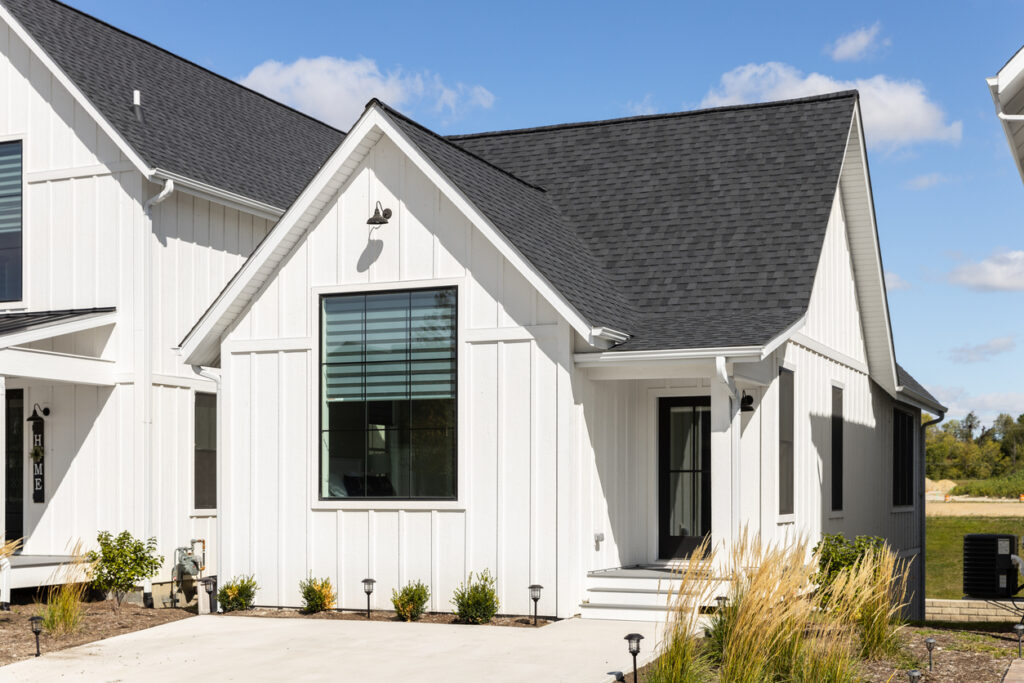
Choosing Siding for a Central Illinois Home
Vinyl siding offers broad design flexibility and relatively low maintenance. Proper fastening is essential because the panels must be able to expand and contract through Central Illinois temperature changes.
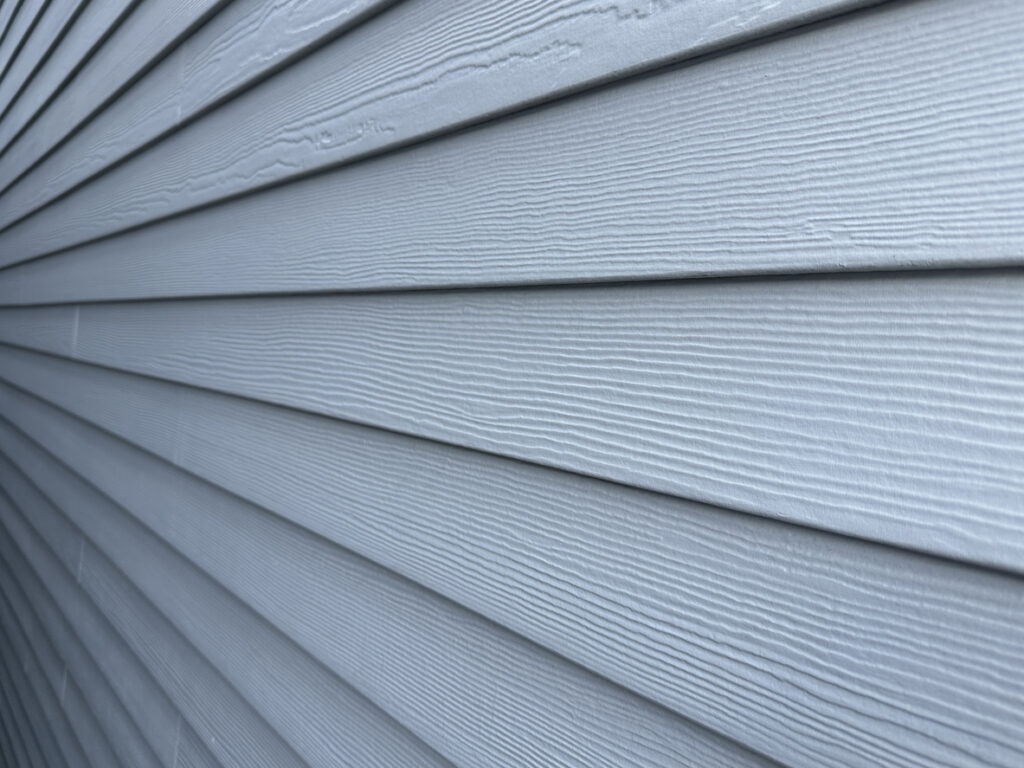
Fiber cement siding provides a substantial appearance and resistance to rot and pests. Its weight, cutting requirements, clearances and manufacturer-specified fastening make experienced installation particularly important.
Engineered wood siding can deliver the warmth of traditional wood with more consistent performance. Correct sealing, flashing and clearance from moisture-prone surfaces remain vital.
Build a Better-Protected Exterior
New siding is most valuable when the finished appearance is supported by sound preparation underneath. Central Illinois Construct brings building and remodeling experience to every siding project, from focused repairs to complete exterior transformations.
Call us at (309) 370-2825 or visit our contact page to request a free siding project quote and start with a careful evaluation of your home.
Frequently Asked Questions
Often, yes. Localized cracks, impact damage, and missing panels may be repairable if compatible replacement material is available and the surrounding installation remains sound. More extensive failure or poor material availability may make partial or full replacement the better investment.
Soft areas, staining, musty odors, and recurring leaks can indicate hidden damage, but some problems are only visible after siding is carefully removed. We begin with a visual inspection and explain when limited removal is needed to confirm conditions.
It may be possible in some situations, but covering the existing material can conceal damage and complicate flashing or trim transitions. The condition and flatness of the existing exterior, product requirements and local code considerations should all be evaluated first.
Requirements vary by municipality and project scope. Some Central Illinois communities require permits or inspections, particularly when wall sheathing, structural components or other exterior systems are affected. We identify applicable requirements during project planning.